By Naturalist Bobbi Donovan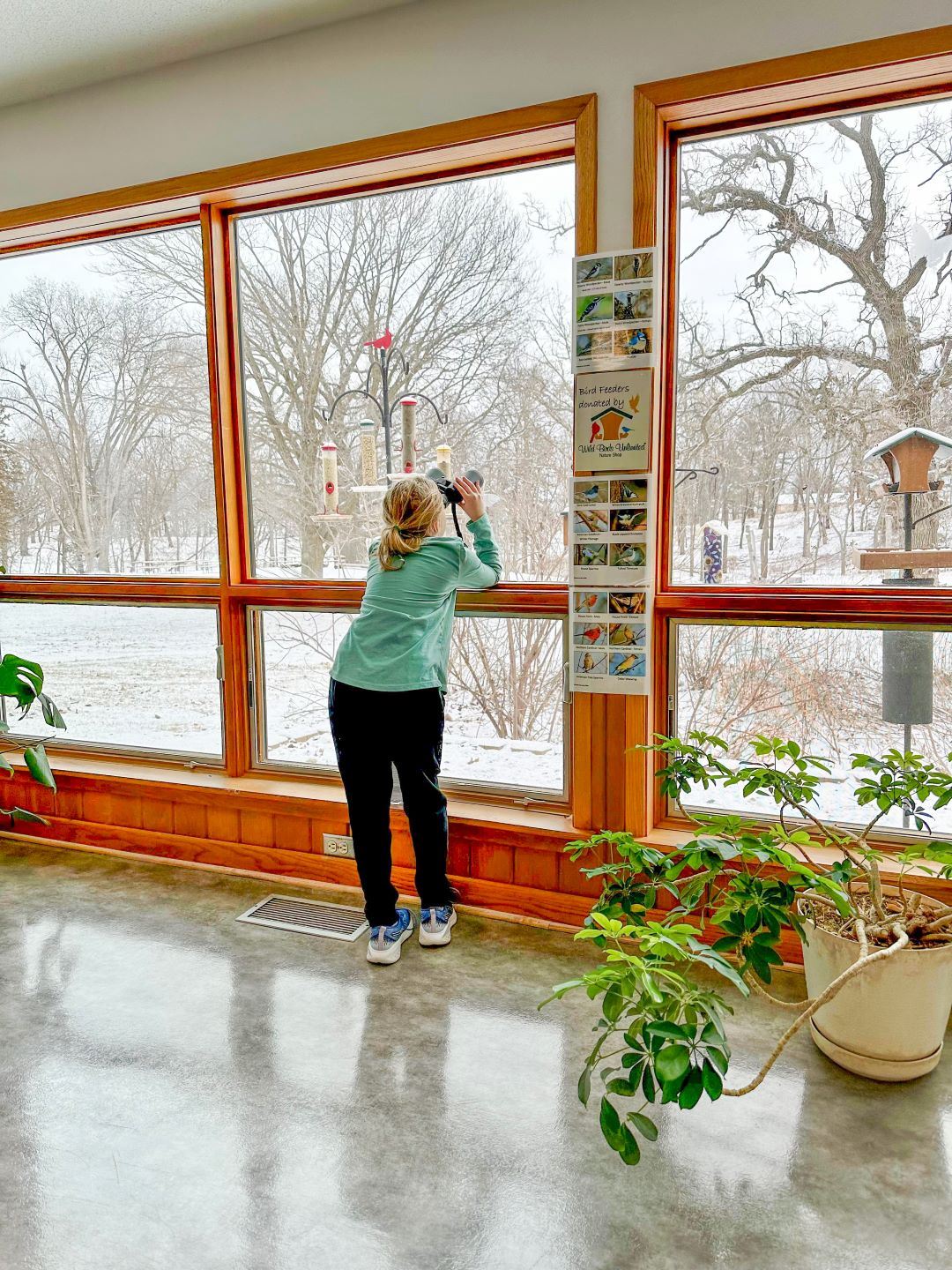
As a naturalist, I rely on scientists and their research findings to help me educate our community about wildlife, plants, environmental concerns, and conservation practices. Professional scientists are experts in their field and devote incredible time and energy to their research. Sometimes these professionals need our help and we, the general public, get the chance to be community scientists.
-- Join us for Great Backyard Bird Count event at McFarland Park on Friday, Feb. 14. No registration required! --
What is a community scientist?
These special scientists are community members just like you and me. No advanced degrees or long hours required. All that’s needed is passion for science, a desire to help with research and the willingness to volunteer.
Researchers often have limited funding and staff to help them collect information. This is where community scientists come in. They help collect and monitor data on a variety of topics so scientists have more extensive data to analyze.
In 2024, Story County Conservation hosted a few programs to assist with community science projects.
Monarch Tagging
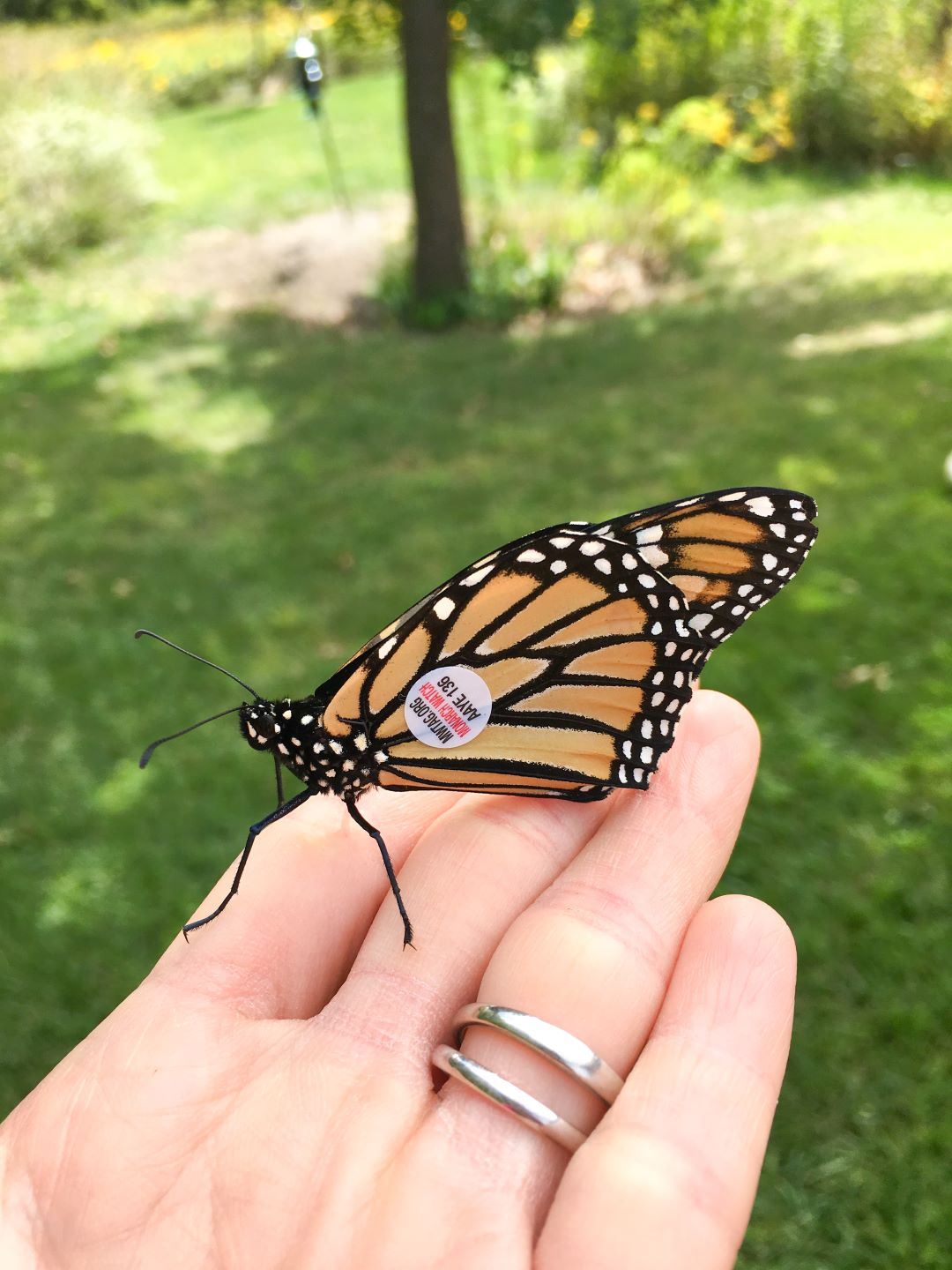
In September, an enthusiastic group met at Tedesco Environmental Learning Corridor (TELC) to help tag monarchs through Monarch Watch, an organization that invites community scientists across North America to assist with catching and tagging monarchs. Tags are stickers with unique codes, gently placed on the butterfly’s wing. Data such as location, date, and sex is recorded before releasing them.
Each fall, monarchs east of the Rocky Mountains migrate to central Mexico. In the spring, their offspring complete the annual migration by returning to the U.S. and Canada. Tagged butterflies may be recaptured along the journey, providing valuable data for research. Volunteers in Mexico also capture living and collect dead monarchs.
In 2024, the 13 community scientists at TELC tagged only one monarch. Was it a slow migration evening in Ames? Or do low numbers indicate a bigger population problem for monarchs?
When continent-wide data is combined, scientists can better answer these questions. They use the collected data, from both tagging sheets and recaptured butterflies, to study population trends, understand migration patterns, and find solutions. Monarch populations have drastically decreased in recent years, prompting discussions about classifying them as endangered.
Great Backyard Bird Count
SCC also took part in the Great Backyard Bird Count (GBBC), another important community science project. Each February, Cornell Lab, Audubon Society and Birds Canada host a worldwide, four-day bird count. Community scientists around the world dedicate at least 15 minutes on one of the four days to watch and count birds. They submit their data online to help scientists learn about global bird populations.
In February 2024, SCC hosted two programs at McFarland Park during the GBBC. Together participants counted and recorded a total of 120 birds, representing 17 different species! Our data was combined with data from around the world, giving scientists a snapshot of how bird species are doing on both a local and global level. Similar to the monarch, bird species worldwide are declining at an astonishing rate, making this research critical for protecting our feathered friends.
Join us on February 14 at McFarland Park for another year of Great Backyard Bird Count fun! Participants will set out to identify, count and record Iowa’s amazing birds. Whether you are a novice bird watcher or a seasoned “bird nerd”, we welcome your help. Can’t make it to the event? No problem, set out on your own adventure anywhere outdoors or get cozy and watch bird feeders indoors for at least 15 mins between February 14-17. Visit www.birdcount.org for more info about GBBC. Happy counting!
How to Become a Community Scientist
- Decide what you are interested in and find a project that’s right for you! A quick Internet search will show you numerous projects and explain how to get involved. Scientists need your help to better understand topics anywhere from nesting birds to disappearing bumble bees to declining amphibians.
- Follow the steps the project outlines on how to get started. You may need to register or complete training to participate in certain projects. Others allow you to start collecting and submitting data immediately.
- When you submit data, always double check that what you are submitting is accurate. False data won’t help anyone!
- Have fun and enjoy learning while you’re helping with valuable research!
Follow us on